Dryer Vent Cleaning | Improve Airflow & Dryer Efficiency in 2026
A clothes dryer is one of the most convenient appliances in a modern home, but it also requires regular maintenance to operate efficiently. Every drying cycle produces lint, and some of that material can move beyond the dryer's lint screen into the vent system. Over time, accumulated lint and restricted airflow can make the dryer work harder and increase drying times.
Professional Dryer Vent Cleaning can help remove accumulated lint and debris from the vent system, improve airflow, and support more efficient dryer operation. For homeowners looking to maintain their appliances and reduce avoidable problems in 2026, dryer vent maintenance is a simple task that should not be overlooked.
Why Dryer Vent Maintenance Matters
The lint screen captures a significant amount of lint during normal dryer operation, but it does not necessarily capture everything. Fine particles can travel into the exhaust duct and gradually accumulate.
A restricted vent can prevent warm, moist air from leaving the dryer efficiently. As a result, the appliance may need to operate longer to dry clothes.
Potential consequences of restricted airflow include:
- Longer drying cycles
- Increased energy consumption
- Excessive heat around the appliance
- Reduced dryer performance
- Increased wear on dryer components
- Greater accumulation of lint inside the vent
Routine professional cleaning helps address buildup before it becomes a significant airflow problem.
Signs Your Dryer Vent May Need Cleaning
Homeowners can often identify potential ventilation problems by paying attention to changes in dryer performance.
Common warning signs include:
- Clothes taking longer than normal to dry
- The dryer becoming unusually hot
- Clothes remaining damp after a normal cycle
- Excessive lint around the dryer area
- A burning or unusual odor during operation
- The dryer shutting down unexpectedly
- The laundry room becoming unusually warm
- The exterior exhaust opening showing weak airflow
These symptoms can have multiple causes, so professional inspection is useful for determining whether the vent system is responsible.
What Professional Dryer Vent Cleaning Involves
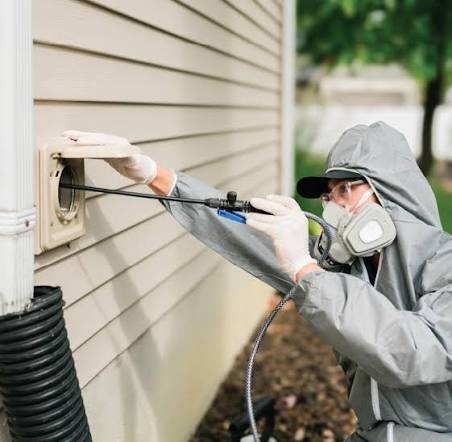
Professional Dryer Vent Cleaning goes beyond removing lint from the dryer's internal filter. Technicians use specialized equipment to clean the exhaust pathway from the dryer connection toward the exterior termination.
Depending on the vent configuration, service may include:
- Inspecting the dryer and vent connection
- Checking the exhaust duct
- Removing accumulated lint and debris
- Cleaning accessible portions of the vent
- Inspecting the exterior termination
- Checking airflow
- Identifying damaged or disconnected duct sections
- Verifying that the exhaust pathway is functioning properly
The exact cleaning method depends on the length, design, accessibility, and condition of the vent system.
Why Proper Airflow Is Important
A dryer needs effective airflow to remove moisture from clothing. When the exhaust pathway is restricted, moist air may remain inside the system longer, causing clothes to take additional time to dry.
Improved airflow can help the appliance complete drying cycles more effectively.
This may result in:
- Shorter drying times
- Less unnecessary appliance operation
- More consistent drying performance
- Reduced strain on dryer components
- Better overall efficiency
However, homeowners should remember that dryer performance can also be affected by other factors, including overloaded drums, incorrect settings, mechanical problems, or blocked internal components.
Dryer Vent Cleaning and Energy Efficiency
Energy efficiency is an increasingly important consideration for homeowners. A dryer that requires multiple cycles to complete a load can consume more energy than necessary.
A clean and properly functioning exhaust system helps the appliance move moist air outside efficiently. This allows the dryer to perform its intended function without unnecessary restrictions.
Professional Dryer Vent Cleaning can therefore be a useful part of appliance maintenance, especially when drying times have noticeably increased.
The biggest efficiency improvements generally come from addressing actual airflow restrictions rather than cleaning a vent simply for the sake of routine service.
How Often Should Dryer Vents Be Cleaned?
There is no universal schedule that applies to every home. The appropriate cleaning frequency depends on factors such as:
- How frequently the dryer is used
- Household size
- Length of the vent
- Number of bends in the duct
- Vent configuration
- Type of dryer
- Previous maintenance
- Amount of lint produced
Homes that use the dryer frequently may need more frequent inspection than households with occasional use.
Rather than relying solely on a calendar, homeowners should also monitor drying performance and schedule an inspection when warning signs appear.
Simple Steps Homeowners Can Take
Professional cleaning is important when significant buildup or restricted airflow is present, but homeowners can also take basic steps to support dryer performance.
After each load:
- Clean the lint screen.
- Avoid overloading the dryer.
- Keep the area around the dryer clear.
- Check the exterior exhaust periodically.
- Pay attention to changes in drying performance.
If the dryer begins taking substantially longer to dry clothes, it is worth investigating the cause rather than simply increasing the drying time.
The Importance of Proper Vent Installation
Cleaning cannot correct every dryer ventilation problem. Poorly designed or damaged ductwork can continue to restrict airflow even after lint has been removed.
A professional inspection may identify:
- Excessive bends
- Crushed duct sections
- Loose connections
- Damaged exhaust ducts
- Improper exterior termination
- Excessively long vent runs
Correcting these problems can be just as important as removing accumulated lint.
Dryer Maintenance Trends in 2026
Smart appliances are becoming increasingly common, and modern dryers can provide users with more information about cycles, performance, and maintenance.
Some connected appliances can provide:
- Cycle notifications
- Maintenance reminders
- Remote monitoring
- Energy-use information
- Diagnostic alerts
These features can help homeowners recognize changes in appliance operation. However, smart technology does not eliminate the need for physical inspection and cleaning of the exhaust system.
A connected dryer still depends on a properly functioning vent.
Choosing a Professional Dryer Vent Cleaning Provider
When hiring a professional, homeowners should choose a provider with appropriate equipment and experience handling different vent configurations.
Look for a service provider that offers:
- Professional cleaning equipment
- Thorough vent inspection
- Experienced technicians
- Airflow evaluation
- Clear recommendations
- Transparent service pricing
- Attention to damaged or improperly configured ductwork
A quality service should focus on the condition of the entire exhaust pathway rather than simply cleaning the most accessible section.
Conclusion
Dryer maintenance is easy to overlook, but proper ventilation is essential for efficient appliance operation. Lint accumulation and restricted airflow can increase drying times, raise energy consumption, and place unnecessary strain on the dryer.
Professional Dryer Vent Cleaning can help remove accumulated lint, improve exhaust airflow, and support more efficient dryer performance. In 2026, combining professional cleaning with regular lint-screen maintenance, proper vent installation, and attention to warning signs provides a practical approach to maintaining a dependable laundry system.
If drying cycles suddenly become longer or the dryer begins operating hotter than usual, having the vent system professionally inspected can help identify the problem and determine whether cleaning or additional repairs are needed.

About Premium Author
This post has been authored and published by one of our premium contributors, who are experts in their fields. They bring high-quality, well-researched content that adds significant value to our platform.


Popular Categories
Stay Connected
Recent Posts