Septic Tank Inspection: 2026 Guide for Florida Homeowners
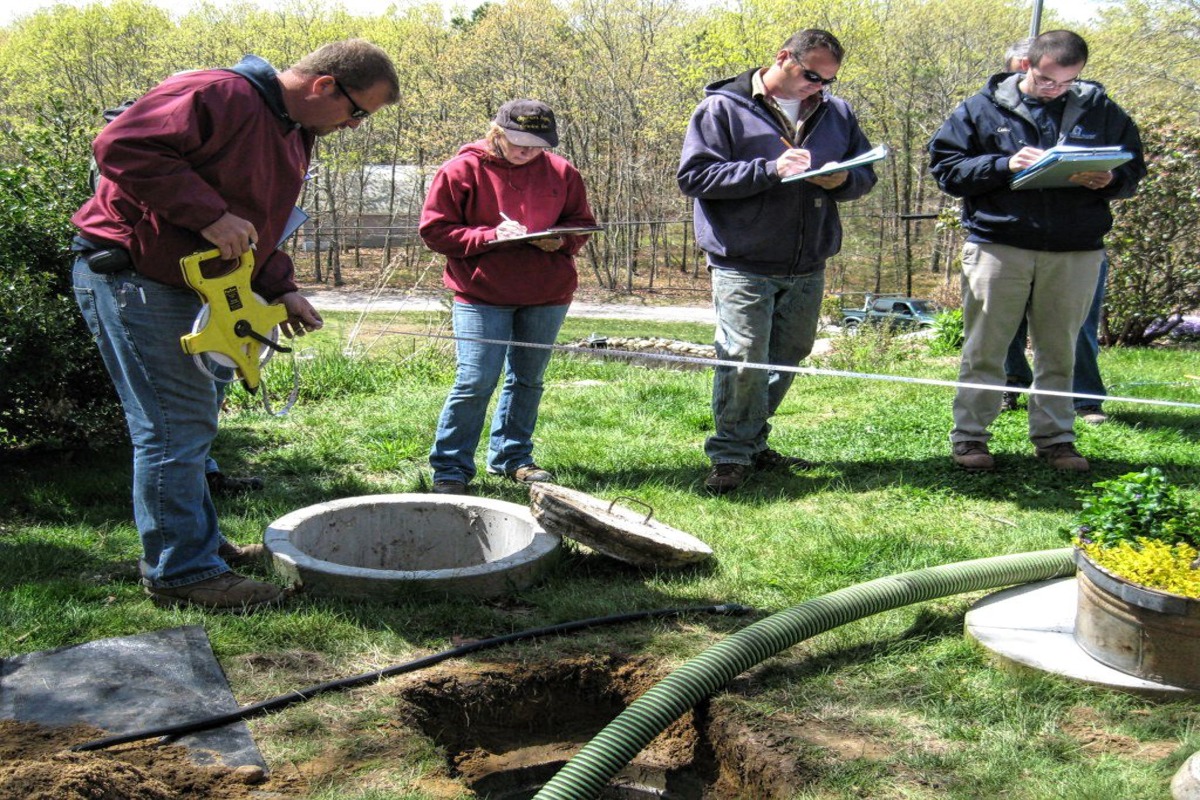
For homeowners, a septic system is one of those parts of a property that is easy to overlook—until something goes wrong. Because much of the system is underground, problems can develop without obvious warning signs. A home may look perfect from the inside while its septic tank, drain field, or related components need attention.
That is why a septic tank inspection can be an important step when buying, selling, or maintaining a home. A professional inspection can provide valuable information about the condition and operation of the septic system, helping homeowners make better decisions and avoid unexpected expenses.
What Is a Septic Tank Inspection?
A septic tank inspection is an evaluation of an onsite wastewater system to identify visible or accessible conditions that may affect its performance. Depending on the property and inspection scope, the process may involve examining the septic tank, pumps, filters, floats, baffles, alarms, treatment components, and drain field.
Because every property is different, the inspection process can vary according to the type, age, design, and accessibility of the system.
A septic tank inspection is particularly valuable because many septic components are located underground. Problems that are difficult for a homeowner to recognize may be identified before they develop into major failures.
Why Septic Inspections Matter in 2026
Homebuyers in 2026 are increasingly focused on understanding the long-term condition of a property rather than simply evaluating its appearance. A septic system can represent a significant maintenance responsibility, making it an important part of the overall property assessment.
For buyers, an inspection can reveal concerns that may require further evaluation or maintenance after closing. Knowing about these issues in advance allows buyers to make more informed decisions about the property.
For sellers, inspecting the system before listing can also be beneficial. Identifying potential problems early gives homeowners more time to address them instead of discovering an issue after an offer has already been made.
What Does a Septic Inspection Check?
A professional inspection may evaluate several components of the septic system. Depending on accessibility and the specific system, these can include:
- Septic tank condition and accessibility
- Tank lids and covers
- Baffles and filters
- Pumps and pump components
- Floats and alarms
- Treatment tanks
- Drain or absorption field
- Visible piping and connections
- Evidence of leakage or other problems
- General conditions around the septic system
The inspection can help identify signs that a system may not be operating as expected. However, homeowners should understand that an inspection is not necessarily a guarantee against future failure, particularly when underground components cannot be fully observed.
The Importance of the Drain Field
Many homeowners focus primarily on the septic tank, but the drain field is equally important to the overall system.
After wastewater enters the septic tank, the system must properly distribute treated effluent into the soil through the drain or absorption field. If the field becomes overloaded, damaged, saturated, or otherwise compromised, wastewater may not be absorbed properly.
Potential warning signs can include unusually wet areas, standing water, unpleasant odors, unusually lush vegetation in one area, or slow drainage. These signs do not automatically confirm a septic failure, but they should be investigated.
A thorough septic tank inspection can help bring attention to conditions that may warrant additional evaluation.
Warning Signs Homeowners Should Not Ignore
Homeowners should pay attention to changes in how their plumbing and septic system perform. Slow drains throughout the house, recurring backups, sewage odors, standing water, or unusually wet areas near the drain field can indicate a potential problem.
Another warning sign is frequent septic pumping. While pumping schedules vary based on household size, tank capacity, usage, and other factors, unusually frequent service may indicate that the system needs further evaluation.
Importantly, septic problems are not always obvious. A system may continue functioning while developing an underlying issue, which is one reason routine maintenance and professional inspections are valuable.
When Should You Schedule an Inspection?
A septic inspection can be especially useful during major property transactions and at important stages of homeownership.
Consider scheduling one when:
- Purchasing a home with a septic system
- Preparing a property for sale
- Buying an older home
- The septic system has an unknown service history
- The property has experienced drainage or backup problems
- Major landscaping or construction is planned near the septic system
- The system has not been evaluated for an extended period
- You notice odors, standing water, or slow drains
A septic system should not be treated as a “set it and forget it” component of a home. Regular attention can help homeowners identify problems before they become more disruptive and expensive.
How Homeowners Can Protect Their Septic System
Good maintenance habits can contribute to better septic system performance. Avoid flushing inappropriate materials, be careful about excessive water use, and address plumbing leaks promptly.
Homeowners should also be mindful of what is placed over the drain field. Heavy structures, vehicles, and certain landscaping activities can interfere with the system or compact the soil.
Keeping accurate records of pumping, repairs, inspections, and other service work can also make future maintenance easier. These records can be especially useful when selling the property.
A Smart Step for Buyers and Sellers
A septic system is a major part of a home, even though much of it remains out of sight. Problems with the tank, drain field, pumps, or other components can lead to costly repairs if they are not recognized early.
A professional septic tank inspection gives homeowners and prospective buyers useful information about the system and helps them better understand potential maintenance needs.
In 2026, taking a proactive approach to property maintenance is more important than ever. Whether you are purchasing your next home, preparing to sell, or simply trying to protect your current investment, including the septic system in your inspection and maintenance plans can help you make smarter decisions and enjoy greater peace of mind.

About Premium Author
This post has been authored and published by one of our premium contributors, who are experts in their fields. They bring high-quality, well-researched content that adds significant value to our platform.


Popular Categories
Stay Connected
Recent Posts