How to Serve in Badminton: Low, High and Flick Serves
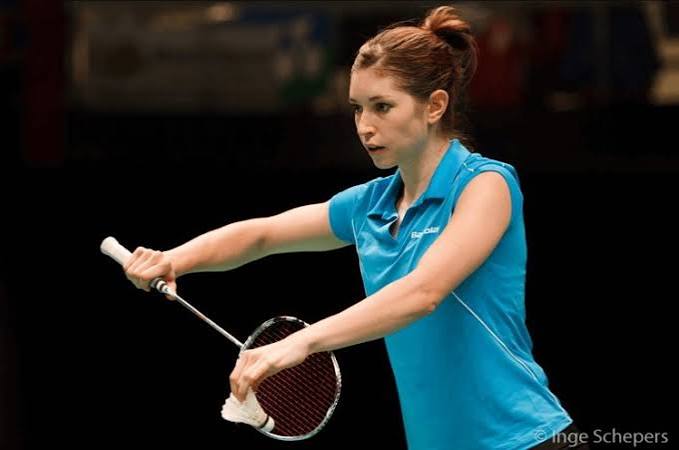
Every rally in badminton starts with a serve, yet it's the shot beginners practise least. Most new players just bunt the shuttle over the net and hope for the best. The result is easy points for the opponent, either from a serve that sits up to be smashed or one that ends up in the net.
Learning how to serve in badminton properly fixes that quickly. There are three serves every beginner should know: the low serve, the high serve and the flick serve. Each has a clear job, and together they keep your opponent guessing from the very first shot. If you're still learning the court and scoring, start with the Badminton Guide for Beginners on Kheloexch at https://kheloexch.net/badminton/, then come back here to build a serve you can rely on.
The Serving Rules You Need to Know First
A serve that breaks the rules is a fault, and the point goes to your opponent. Under the BWF Laws of Badminton, a correct serve must meet these conditions:
- Stand still in the right box. Server and receiver stand in diagonally opposite service courts without touching the lines.
- Keep both feet down. Part of both feet must stay in contact with the floor, without moving, until the shuttle is hit.
- Hit the base first. Your racket must first strike the base (the cork) of the shuttle, not the feathers.
- Stay below 1.15 m. The whole shuttle must be below 1.15 metres from the court surface at the moment you hit it.
- Swing forward in one motion. Once your racket starts moving forward, it must keep going until you hit the shuttle. Stopping or faking mid-swing is a fault.
- No added spin. You must release the shuttle without spinning it.
- Serve upwards and over. The shuttle must travel upwards off the racket and land in the receiver's service court.
Which side you serve from depends on your score. Serve from the right court when your score is even and from the left court when it's odd. A serve must also pass the short service line, 1.98 m from the net.
The Low Serve
The low serve is the most important serve in doubles and a useful option in singles. It skims just over the net and drops near the short service line, so the receiver can't attack it.
How to play it (backhand low serve):
- Take the backhand grip and hold the racket a little shorter on the handle for control.
- Stand close to the short service line, with your racket-side foot slightly forward.
- Hold the shuttle by the feathers in front of your racket, cork pointing towards the strings.
- Push, don't hit. Use a short, smooth push from your thumb and forearm. There's almost no backswing.
- Aim to clear the tape by a few centimetres, landing just past the short service line.
Common mistake: serving too high. If the shuttle rises well above the net, the receiver can push it down at you.
The High Serve
The high serve is the main serve in singles. It sends the shuttle high and deep to the back of the receiver's court, forcing them as far from the net as possible.
How to play it (forehand high serve):
- Use the forehand grip and stand about a metre behind the short service line.
- Stand side-on, with your non-racket foot in front pointing towards the net.
- Drop the shuttle in front of and slightly to the side of your body.
- Swing up and through, transferring your weight from back foot to front foot as you hit.
- Follow through high over your opposite shoulder.
The shuttle should land close to the back boundary line and fall almost vertically. That steep drop makes it harder to attack.
Common mistake: a high serve that falls short in mid-court. It gives your opponent an easy smash, so aim deeper than feels natural.
The Flick Serve
The flick serve is a surprise weapon. It starts exactly like a low serve, then the shuttle is flicked up and over the receiver's head towards the back of the court. It works best against an opponent who rushes forward to attack your low serve.
How to play it:
- Set up exactly like your low serve, with the same grip, stance and preparation.
- At the last moment, flick the racket with a quick snap of the thumb and wrist.
- Lift the shuttle just over the receiver's reach, landing deep in the back of the service court.
The disguise is everything. If your flick looks different from your low serve, the receiver will read it.
Common mistake: flicking too often. Used once or twice a game, it keeps the receiver honest. Used every time, it becomes predictable.
Low vs High vs Flick Serve at a Glance
| Serve | Where it lands | Main use | Grip |
|---|---|---|---|
| Low serve | Just past the short service line | Doubles, and singles variety | Usually backhand |
| High serve | Near the back boundary line | Singles | Forehand |
| Flick serve | Back of the service court, over the receiver | Surprise option, mostly doubles | Same as your low serve |
Singles vs Doubles Serving
The service court changes shape depending on the game. In singles, the service court is long and narrow: it runs to the back boundary line but uses the inner side lines. In doubles, it's short and wide: it uses the outer side lines but ends at the doubles long service line, 0.76 m inside the back boundary.
That's why serving tactics differ. In singles, the long court rewards a deep high serve. In doubles, the shorter court and attacking receivers make the low serve the default, with the flick serve as a surprise.
Five Service Faults to Avoid
- Hitting above 1.15 m. The most common fault for tall players and beginners who drop the shuttle too high.
- Lifting or dragging a foot. Both feet must stay grounded until you hit the shuttle.
- Standing on the line. Touching a boundary of your service court counts as a fault.
- Hesitating mid-swing. Any pause or fake after the forward swing starts is illegal.
- Missing the shuttle. An attempted serve that misses is a fault.
Three Drills to Build a Reliable Serve
Drill 1: Target towels. Place a small towel just past the short service line. Hit 20 low serves and count how many land on or near it.
Drill 2: Back-line serves. Place a target near the back boundary line. Hit 20 high serves and note how many land in the back metre of the court.
Drill 3: Disguise test. Ask a partner to stand ready to receive while you mix low and flick serves at random. If they can't guess which is coming, your disguise is working.
Conclusion
A good serve won't win every point, but a poor one loses far too many. Learn the low serve for control at the net, the high serve to push opponents deep in singles, and the flick serve to catch out anyone who rushes forward. Keep the shuttle below 1.15 m, both feet on the floor and your swing smooth, and practise with targets until every serve lands where you want it. For the court markings and rules that go with it, the Badminton Guide for Beginners from Kheloexch covers everything in one place.
FAQs
What is the best serve for beginners in badminton?
Start with the backhand low serve, because it's the easiest to control and the hardest for opponents to attack. Once it's consistent, add the forehand high serve for singles, then learn the flick serve as a surprise option.
What is the legal serving height in badminton?
Under current BWF Laws, the whole shuttle must be below 1.15 metres from the court surface at the moment the server hits it. Many clubs mark this height on a stick or the net post so players can check their serves.
Which side do I serve from in badminton?
Serve from the right service court when your score is even, including zero, and from the left service court when it's odd. Your serve must travel diagonally into the receiver's service court and pass the short service line.
Can my feet move when I serve?
No. Part of both feet must stay in contact with the floor and remain still from the start of the serve until the shuttle is hit. Lifting, dragging or stepping forward during the serve is a fault.
When should I use a flick serve?
Use a flick serve when the receiver stands close to the short service line, ready to attack your low serve. Play it sparingly, perhaps once or twice a game, so it stays a surprise rather than becoming predictable.

About Premium Author
This post has been authored and published by one of our premium contributors, who are experts in their fields. They bring high-quality, well-researched content that adds significant value to our platform.
You Might Also Like

Popular Categories
Stay Connected
Recent Posts