Public Education Funding and Political Division in America
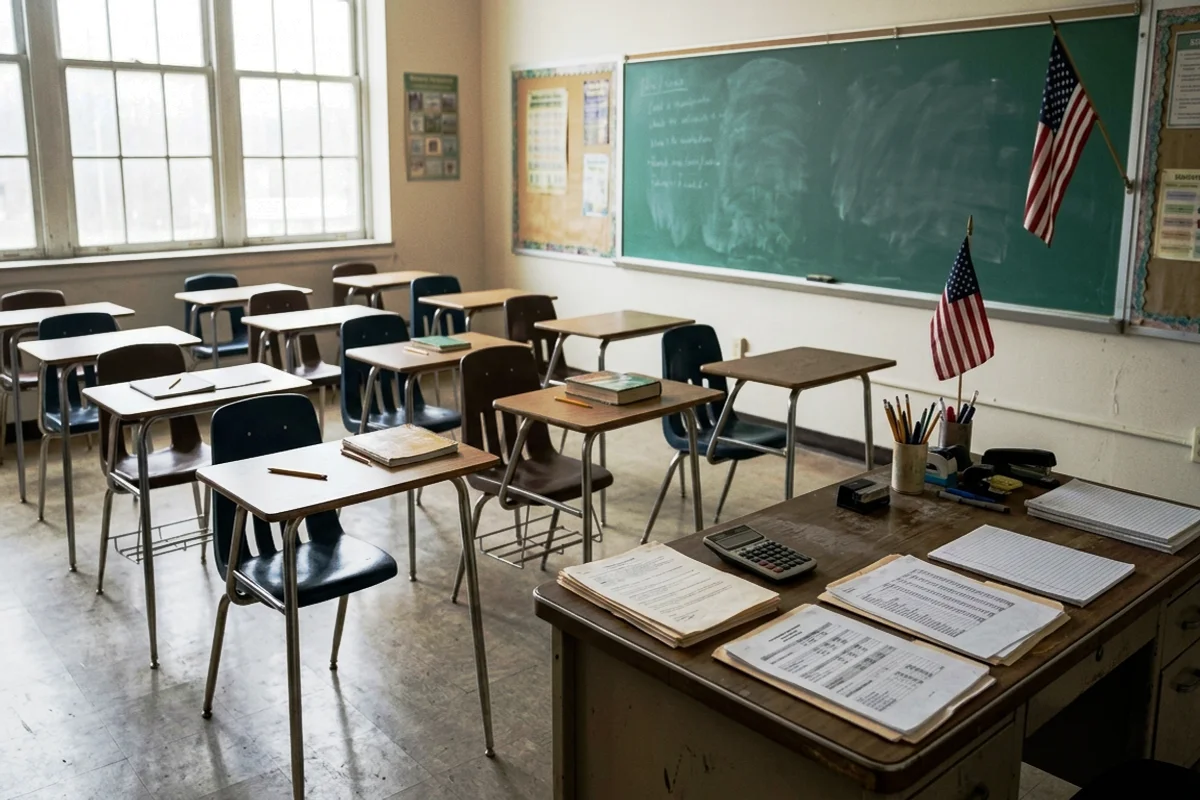
Public education funding plays a significant role in determining the quality of schools, opportunities available to students, and the long-term economic development of American communities. Yet decisions about education budgets have become increasingly influenced by political disagreements over government spending, school choice, and public accountability. In Governing in Divided Times, former Alaska legislator Jim Duncan examines how partisan conflict has affected educational policy and why sustained investment in public education remains essential. Drawing on his experience in Alaska government, Duncan explains how political decisions can create consequences extending far beyond individual budget cycles.
Why Public Education Funding Matters
Public education provides students with the knowledge and skills needed to pursue employment, participate in civic life, and contribute to their communities.
Schools also support economic development by preparing future workers, strengthening local communities, and helping individuals improve their financial circumstances.
However, maintaining educational opportunities requires adequate financial resources.
Public education funding supports teacher salaries, classroom materials, transportation, technology, facilities, and specialized educational services.
When funding becomes insufficient or unpredictable, school districts may struggle to maintain staffing levels, introduce new programs, and provide necessary student support.
Duncan argues that education should be understood as a long-term public investment rather than simply another government expense.
Its benefits frequently emerge over many years, making consistent financial support particularly important.
How Political Disagreements Influence Education Budgets
Education policy has increasingly become a source of partisan disagreement throughout the United States.
Political debates often involve government spending, curriculum decisions, parental involvement, school choice, and the appropriate responsibilities of state and federal authorities.
Different political philosophies naturally produce different approaches to these issues.
However, problems arise when legislative decisions become focused primarily on partisan victories rather than educational outcomes.
Budget negotiations may become prolonged, funding commitments may change with political leadership, and schools may struggle to plan for future expenses.
Duncan emphasizes that elected officials have a responsibility to consider the long-term consequences of their decisions.
Students and educational institutions should not become secondary concerns in disputes over political influence.
The University of Alaska Funding Controversy of 2019
One of the most significant examples discussed in Duncan's manuscript involves the University of Alaska during the 2019 legislative session.
Alaska depends heavily on revenue associated with natural resource development, particularly oil production.
Changes in those revenues have created recurring challenges for government budgeting.
According to Duncan, the absence of a sustainable long-term fiscal plan contributed to difficult decisions regarding public services and educational funding.
In 2019, Republican Governor Mike Dunleavy vetoed $130 million from the University of Alaska operating budget.
Duncan describes the proposed reduction as approximately 41 percent of the university system's state funding.
The legislature attempted to override the veto but did not obtain the required number of votes.
Although some Republican legislators supported the override, significant political divisions prevented the effort from succeeding.
What the Alaska Budget Dispute Revealed
The controversy illustrated the vulnerability of educational institutions when funding decisions become entangled in partisan conflict.
Universities require predictable resources to maintain academic programs, recruit faculty, support research, and provide services to students.
Major reductions can create uncertainty about institutional operations and future development.
Duncan viewed the dispute as an example of political commitments being weakened when party considerations took precedence.
His concern extended beyond the immediate budget controversy.
He argued that public officials must recognize education as an essential investment in the state's economic and social future.
The Alaska experience also demonstrates why education policy requires long-term financial planning rather than repeated responses to immediate budget pressures.
The Relationship Between Public School Funding and Educational Equality
Access to quality education varies considerably across American communities.
Some school districts benefit from substantial local resources, modern facilities, experienced educators, and advanced academic programs.
Others face financial constraints, teacher shortages, aging buildings, and limited educational opportunities.
These differences can influence students' academic experiences and future employment prospects.
Duncan argues that children should not face reduced educational opportunities simply because of their family's financial circumstances or geographic location.
Educational equality does not require identical outcomes for every student.
Instead, it requires ensuring that students have reasonable access to the resources necessary to pursue their abilities and interests.
Rural and Urban Funding Challenges
Rural communities frequently encounter distinctive educational difficulties.
Schools may serve small populations spread across considerable distances, increasing transportation expenses and complicating teacher recruitment.
Access to technology, specialized instruction, and advanced coursework can also be limited.
These challenges are particularly significant in Alaska, where remote communities may be accessible only through air or water transportation.
Urban districts face different pressures, including overcrowding, socioeconomic inequality, and varying levels of local financial support.
Although the circumstances differ, both settings require education policies that reflect actual student needs.
Funding decisions should therefore account for geographic and economic differences rather than assuming that every district faces identical challenges.
School Choice and Public Education Funding
School choice has become another important issue in American education policy.
Supporters of private school choice programs argue that parents should have greater freedom to select educational environments that match their children's needs.
They also contend that competition can encourage improvements in educational quality and responsiveness.
Critics raise concerns about diverting public resources from traditional public schools and the consequences for districts already experiencing financial difficulties.
Duncan acknowledges the importance of parental choice and does not oppose private education.
However, he questions the financial implications of directing taxpayer resources toward private institutions when public schools continue serving the majority of students.
His argument is that school choice policies must be evaluated alongside their impact on existing public education systems.
Policymakers should examine whether funding arrangements improve educational opportunity without undermining essential services.
Buy the book at Amazon to explore Jim Duncan's discussion of education policy, government accountability, and the political decisions affecting public institutions.
The Importance of Teachers and Educational Resources
Teachers are central to the effectiveness of public education.
However, Duncan identifies teacher recruitment, staffing shortages, classroom resources, and growing professional demands as serious concerns.
Insufficient funding can limit the ability of schools to attract qualified educators and provide appropriate instructional materials.
Teachers may also face pressure to manage larger classes while meeting increasingly complex student needs.
Addressing these challenges requires more than political promises.
Education budgets must reflect practical requirements involving staffing, classroom support, professional development, and student services.
Policymakers should also evaluate whether financial resources are being distributed effectively.
Public accountability and adequate investment are complementary responsibilities.
Schools must use available funding responsibly, while government must recognize the resources required to deliver quality education.
Higher Education Funding and Workforce Development
Public education funding also influences colleges, universities, vocational institutions, and workforce training programs.
As technology and economic conditions change, workers increasingly need opportunities to develop new skills.
Duncan argues that educational policy must accommodate multiple career pathways.
A traditional university degree remains valuable for many professions, but successful careers can also emerge through apprenticeships, technical education, skilled trades, and specialized training.
Government investment in these opportunities can support economic mobility and help communities respond to changing employment needs.
Reducing educational access may create long-term economic disadvantages, particularly in communities with limited alternative training opportunities.
Effective funding strategies should therefore consider how education connects with workforce development and regional economic growth.
Why Education Policy Needs Bipartisan Cooperation
Education affects families across political and economic backgrounds.
Although lawmakers may disagree about funding methods, school administration, or educational priorities, they share a responsibility to support student development.
Bipartisan cooperation creates opportunities to examine competing proposals and develop practical solutions.
This may involve establishing predictable funding arrangements, evaluating educational outcomes, improving transparency, and protecting essential student services.
Duncan emphasizes that compromise should not require abandoning political principles.
Instead, elected officials should recognize when shared objectives justify constructive negotiation.
The quality of public education should be judged by the opportunities provided to students rather than the political advantage gained by individual parties.
Protecting Education as a Long-Term Public Investment
Sustainable public education funding requires policymakers to look beyond immediate political circumstances.
Schools and universities need financial stability to develop programs, maintain infrastructure, and prepare students for changing economic conditions.
Budget decisions should also consider the relationship between educational opportunity, workforce development, and future public prosperity.
Duncan's experience demonstrates that education funding controversies can reveal broader weaknesses in fiscal planning and political cooperation.
Responsible leadership requires evaluating those problems before they produce lasting consequences.
For additional perspectives on public education, fiscal responsibility, and political leadership, Check out our Website to learn more about Jim Duncan's experience in Alaska government and his examination of the challenges facing American democracy.
Conclusion
Public education funding is more than an annual budget consideration. It is an investment in students, economic opportunity, and the future of American communities. Political disagreements over spending priorities are inevitable, but those disagreements should not prevent lawmakers from protecting essential educational opportunities. As Jim Duncan explains in Governing in Divided Times, effective education policy requires responsible financial planning, accountability, and a willingness to consider different perspectives. When educational decisions prioritize long-term public benefits over short-term political advantages, government can better fulfill its responsibility to prepare future generations for success.

About Premium Author
This post has been authored and published by one of our premium contributors, who are experts in their fields. They bring high-quality, well-researched content that adds significant value to our platform.
You Might Also Like
Popular Categories
Stay Connected
Recent Posts