How to Choose a Hoodie for Your Everyday Wardrobe
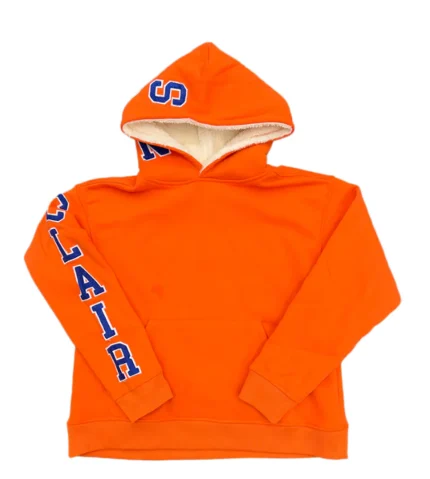
How to Choose a Hoodie for Your Everyday Wardrobe
A hoodie is one of the most versatile pieces of clothing you can own. It offers comfort, warmth, and effortless style, making it suitable for everyday activities, casual outings, travel, and relaxed weekends. Whether you prefer a minimalist outfit or a modern streetwear look, the right hoodie can become a reliable part of your wardrobe. However, choosing one involves more than picking a color or design. Fabric quality, fit, construction, seasonal suitability, and styling flexibility all influence how useful a hoodie will be in daily life.
With so many styles available, finding the right option can feel overwhelming. Some hoodies feature lightweight fabrics designed for layering, while others use heavyweight materials for additional warmth. Oversized silhouettes create a relaxed appearance, whereas regular-fit designs offer a more balanced shape. By understanding these differences, you can select a hoodie that complements your existing clothes and suits your personal preferences. Brands such as Sinclair Clothing and Sinclair Global reflect the growing interest in casual fashion that combines practical comfort with contemporary design.
Consider Your Everyday Lifestyle
Before choosing a hoodie, think about how you plan to wear it. Your daily routine can help determine the fabric, fit, and features that will be most useful. If you frequently travel, attend classes, run errands, or spend time outdoors, you may benefit from a comfortable hoodie that allows easy movement and works with different outfits. For people who primarily wear hoodies indoors, a soft, lightweight option may be more practical than a thick design intended for colder weather.
Your preferred activities also influence the details worth considering. A hoodie with a front pocket can be convenient for carrying small essentials or keeping your hands warm, while a zip-up style makes it easy to adjust your outfit as temperatures change. If you want a simple everyday layer, a pullover hoodie may be all you need. Choosing a design based on your actual routine helps prevent unnecessary purchases and makes it easier to build a functional wardrobe.
Choose the Right Fabric for Comfort
Fabric quality plays a major role in how a hoodie feels and performs over time. Cotton is popular because it is soft, breathable, and comfortable for everyday use. Cotton-rich blends can provide a similar feel while incorporating other fibers to influence durability, shape retention, and drying performance. The best material depends on your climate, how often you wear the hoodie, and whether you prefer a lightweight or substantial feel.
For warmer days and indoor settings, lightweight cotton or jersey fabrics can provide comfortable coverage without excessive insulation. During colder months, fleece-lined or heavier fabrics may offer more warmth. If you live in an area with changing temperatures, a medium-weight hoodie can be a practical choice because it can be worn alone or layered under a jacket. Always check the garment's fabric composition and care instructions rather than judging quality by thickness alone.
A comfortable hoodie should also feel pleasant against your skin and maintain its shape with regular wear. Look for neat stitching, well-finished seams, secure cuffs, and a waistband that retains its structure. These details may seem small, but they contribute to the garment's appearance and long-term usability.
Find a Fit That Matches Your Style
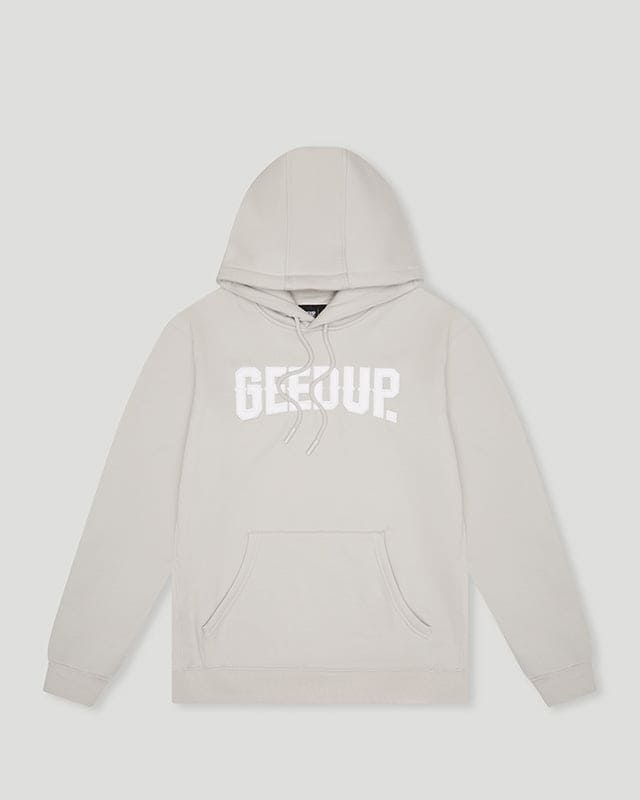
The fit of a hoodie affects both comfort and the overall appearance of an outfit. Regular-fit hoodies offer a balanced silhouette that works well with jeans, chinos, joggers, and other everyday essentials. They are particularly useful if you want a versatile garment that can be styled in different ways without dominating the rest of your outfit.
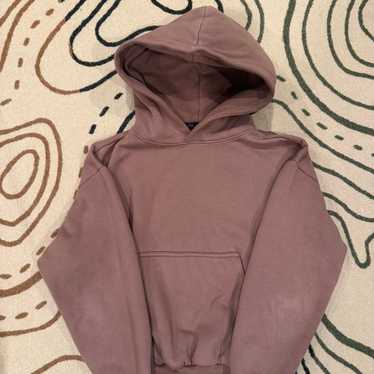
Oversized hoodies create a more relaxed silhouette and are often associated with contemporary streetwear. They pair naturally with loose-fit denim, cargo trousers, and casual sneakers. However, an oversized design should still feel intentional. Check the sleeve length, shoulder placement, and overall proportions to make sure the garment complements your build and preferred style. A hoodie that is simply too large may restrict movement or look unbalanced rather than relaxed.
Slimmer styles can offer a cleaner appearance when worn beneath jackets or coats. They are useful for layering because they usually create less bulk around the shoulders and arms. When shopping online, review the sizing chart and compare the listed measurements with a hoodie you already own and find comfortable. This approach is often more reliable than choosing a size based on the label alone.
Select Colors That Work With Your Wardrobe
Color is another important factor when choosing a hoodie for regular use. Neutral shades such as black, grey, navy, white, and beige are easy to coordinate with many existing garments. A black hoodie, for example, pairs well with blue denim, dark trousers, and neutral sneakers. Grey offers a relaxed, understated appearance, while navy provides a subtle alternative for people who want something different from black.
If your wardrobe already contains several neutral basics, a brighter color can introduce variety without requiring an entirely new collection of clothes. Muted green, burgundy, or other seasonal shades can add character while remaining relatively easy to style. The key is to choose colors that complement your current clothing rather than purchasing pieces that are difficult to combine.
A well-chosen hoodie should create several outfit possibilities. Before buying one, consider at least three combinations using trousers, footwear, and outerwear you already own. This simple exercise helps you evaluate whether the color is practical for everyday wear and whether it will earn a regular place in your wardrobe.
Decide Between Pullover and Zip-Up Hoodies
Pullover and zip-up hoodies offer different advantages, so the better option depends on your preferences. A pullover hoodie has a continuous front panel and is often associated with a classic, relaxed look. Many designs include a kangaroo pocket, ribbed cuffs, and an adjustable hood. Because of its simple construction, a pullover can work well as the main feature of a casual outfit.
A zip-up hoodie offers greater flexibility when layering. You can wear it open over a T-shirt, zip it up when the weather becomes cooler, or remove it quickly when temperatures rise. This makes it a useful choice for travel, transitional weather, and indoor environments where conditions vary throughout the day. Its appearance can also be more structured, depending on the cut and material.
If you are purchasing your first everyday hoodie, consider which style better fits your routine. A pullover may suit someone who prefers straightforward outfits, while a zip-up design may be more convenient for someone who regularly adds or removes layers. Both styles can be versatile, so comfort and intended use should guide the decision.
Pay Attention to Quality and Construction
A hoodie may look appealing in a product photograph, but construction determines how well it holds up through regular use. Examine the stitching around the shoulders, sleeves, pocket, and hood. Seams should appear secure and even, with no obvious loose threads or poorly finished edges. Ribbed cuffs and waistbands should feel comfortable while providing enough structure to help the garment maintain its shape.
The hood itself deserves attention. It should sit comfortably without pulling heavily at the neckline, and the fabric should feel suitable for the garment's intended weight. If the hoodie includes drawstrings, check that they are securely attached and easy to adjust. For zip-up styles, a smooth-running zipper can make daily wear more convenient.
Printed graphics, embroidery, and other decorative details also influence how a hoodie looks over time. If you prefer graphic streetwear, check that the design is applied neatly and follow any specific washing instructions. For a more understated wardrobe, a plain hoodie with clean finishing can be a dependable option across different seasons. Paying attention to these details helps you choose clothing based on lasting usefulness rather than appearance alone.
Think About Seasonal Versatility
A useful everyday hoodie should suit the conditions in which you expect to wear it. Lightweight designs work well during mild weather and can be layered beneath a denim jacket, overshirt, or lightweight coat. Medium-weight hoodies provide a practical balance for daily activities when temperatures are moderate. Heavyweight and fleece-lined options are better suited to colder conditions, although they may feel too warm for extended indoor wear.
Layering makes a hoodie more adaptable throughout the year. During cooler weather, wear it over a T-shirt and beneath an appropriate outer layer. When temperatures rise, a lightweight hoodie can provide coverage in air-conditioned environments or during cooler evenings. Choosing a versatile fabric weight allows you to get more use from the garment without needing a separate hoodie for every season.
It is also worth considering how the hoodie fits beneath your existing jackets. An overly bulky design may feel restrictive under a fitted coat, while a thinner option can provide warmth without compromising movement. If layering is a major part of your everyday style, choose a hoodie that works comfortably with the outerwear you already own.
Learn How to Style Your Hoodie
Styling flexibility is one reason hoodies remain popular in modern casual fashion. For a simple everyday outfit, combine a neutral hoodie with straight-leg jeans and clean sneakers. This combination is comfortable, easy to coordinate, and suitable for a wide range of informal activities. If you prefer a more relaxed silhouette, pair an oversized hoodie with cargo trousers or loose-fit denim.
For a layered streetwear look, wear a hoodie beneath a bomber jacket, denim jacket, or casual coat. Keep the colors coordinated so that the outfit feels balanced rather than overly complicated. A plain hoodie can provide a neutral foundation for patterned trousers or statement sneakers, while a graphic hoodie usually works best with simpler pieces that allow its design to stand out.
A Sinclair hoodie can also become a practical foundation for different casual outfits when selected in a suitable color and fit. Rather than relying on a single trend, focus on how the garment complements your existing clothes and reflects your preferred style. Small adjustments to footwear, trousers, and outerwear can create noticeably different looks without requiring a large wardrobe.
Choose a Hoodie That Offers Long-Term Value
Price is worth considering, but the least expensive option is not always the most economical over time. A hoodie that feels comfortable, fits well, and withstands frequent washing may provide better value than one that quickly loses its shape or appearance. Compare the fabric, stitching, fit, and care requirements when evaluating different options. These practical details help you make a decision based on more than the initial cost.
Care also affects how long a hoodie remains wearable. Follow the garment's washing instructions, avoid excessive heat when drying if the label advises against it, and treat stains according to the fabric's requirements. Washing similar colors together and turning printed garments inside out can help preserve their appearance. Proper storage also helps prevent unnecessary stretching and damage.
When exploring options from Sinclair Clothing or Sinclair Global, focus on selecting a design that fits your lifestyle rather than buying several similar pieces without a clear purpose. A small collection of comfortable, well-chosen hoodies in complementary colors can provide plenty of outfit combinations while keeping your wardrobe manageable.
Final Thoughts
Choosing the right hoodie for your everyday wardrobe involves balancing comfort, fit, fabric quality, color, and versatility. Start by considering your daily activities and the weather in which you will wear it. Then choose a suitable fabric weight, decide between a pullover and zip-up design, and find a fit that complements your personal style. Details such as secure stitching, comfortable cuffs, and easy-care materials can make a meaningful difference in everyday use.
The most useful hoodie is one that fits naturally into your routine and works with the clothes you already own. Whether you prefer minimalist basics or contemporary streetwear, a carefully selected hoodie can provide comfort and styling flexibility throughout the year. By prioritizing quality and practical design, you can build a wardrobe that feels personal, functional, and easy to wear.

About Dandy Hats
Aprende cómo combinar Dandy Hats sin sobrecargar tu outfit con consejos sobre colores, prendas básicas y accesorios para un estilo urbano equilibrado.
Popular Categories
Stay Connected
Recent Posts